Category: Cultural Activities
-

Episode 206: Huang Binhong’s Works (3)
In the previous episode, we mentioned that Huang Binhong is regarded as the Van Gogh of China, with Van Gogh being a representative of Impressionism. This is because Huang frequently uses thick lines in his work. Western Impressionists also tended to use bold brush strokes, resulting in fewer fine lines. Impressionist paintings appeared before Huang…
-

Episode 205: Huang Binhong’s Works (2)
From a worldly perspective, larger items may seem more valuable. However, smaller paintings are often harder to control than larger ones because, with bigger works, one can still make corrections, while the artistic value of smaller paintings can sometimes be higher than that of larger ones. Taking Qing Dynasty porcelain as an example, the taste…
-

Episode 204: Huang Binhong’s Works (1)
The auction industry has its regular business as well as its shady activities. Auction houses engage in fake bidding and selling of forged items, and industry insiders can see it clearly. The reasons why they keep silent are: first, it’s not their business; second, they don’t want to offend others. When you are invited to…
-

Episode 201: Appraising Artworks (22)
The previous episode mentioned that although couplets started in the Qin Dynasty, they became popular in the mid-Song Dynasty, and flourished greatly in the Ming and Qing dynasties. The couplets in the Dream of the Red Chamber were said to be from the Tang Dynasty, but they contained text, when couplets at that time were…
-
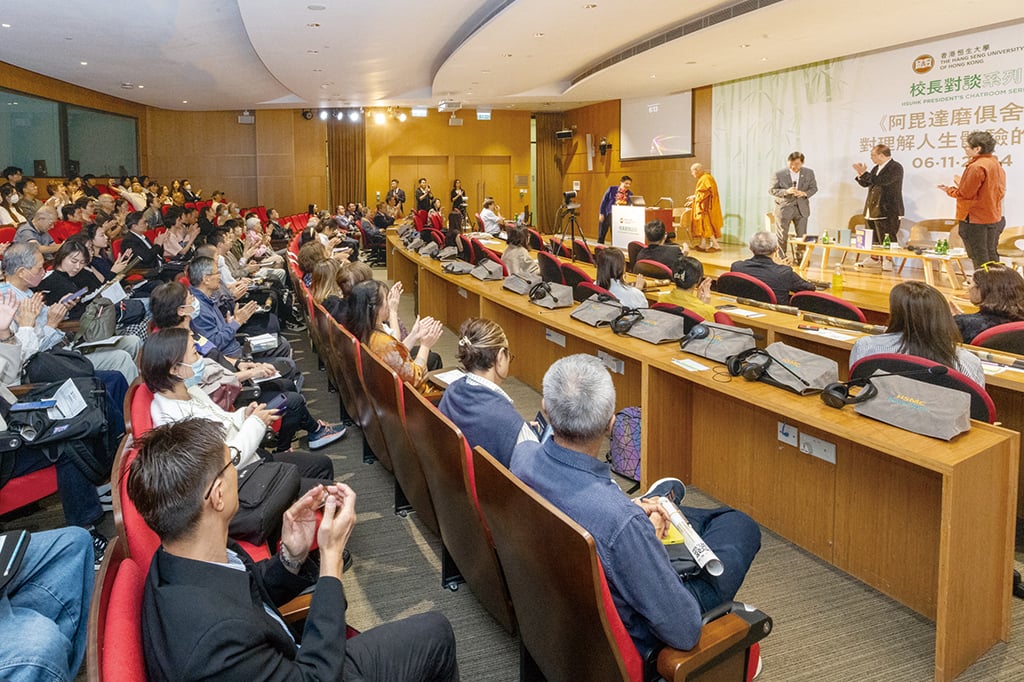
Chamber of Young Snow congratulates the success of the Hang Seng University of Hong Kong President Dialogue Series!
The event on ‘Abhidharmakośabhāṣya’《阿毘達磨俱舍論》at Hong Kong Heng Seng University received enthusiastic responses both online and offline! It was a complete success! This time, the President Dialogue Series at Hong Kong Heng Seng University was honored to invite Venerable Professor K L Dhammajoti (法光法師), Dr. Li Shi Cheng (李師成博士), and Dr. Huo Heqiwa (霍何綺華博士) as guest…
-
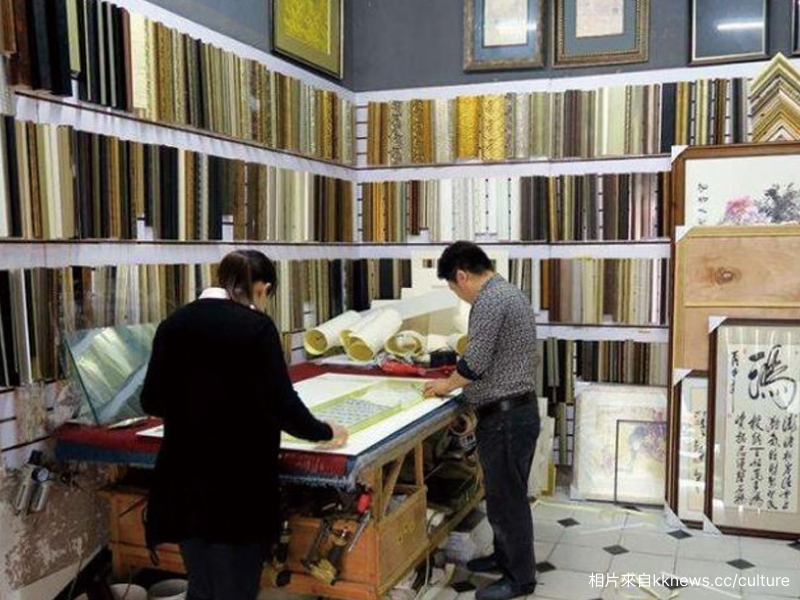
Episode 200: Appraising Artworks (21)
This episode will focus on understanding the different parts of a mounted painting. The most popular traditional Chinese mounting method is the hanging scroll, which is a vertically displayed mounting form, appearing as a long strip, so the composition and text are also mostly arranged vertically. However, handscrolls are more expensive, as they are a…
-
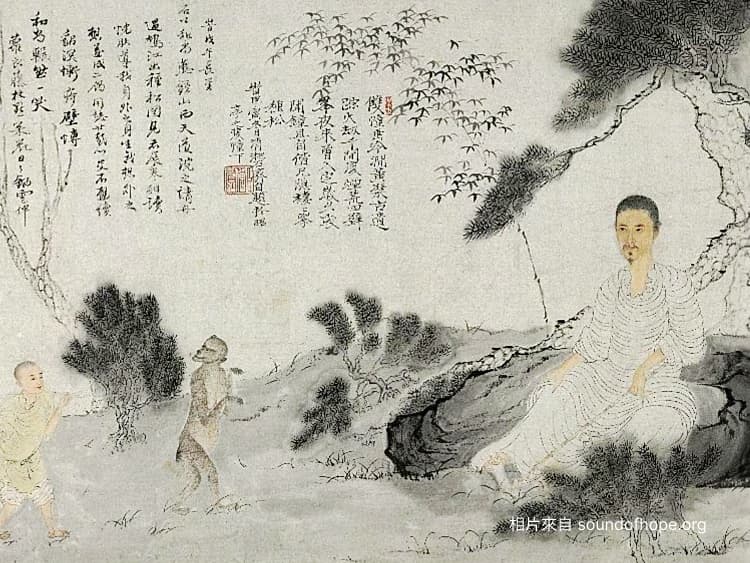
Episode 199: Appraising Artwork (20)
In the last episode, we mentioned that both paper and silk have raw and cooked versions, and good cooked paper becomes more densely fibrous and more absorbent after processing. Papermaking technology flourished more in the Yuan dynasty and the quality was better. The use of ink in painting also evolved later, with masters like Shi…
-
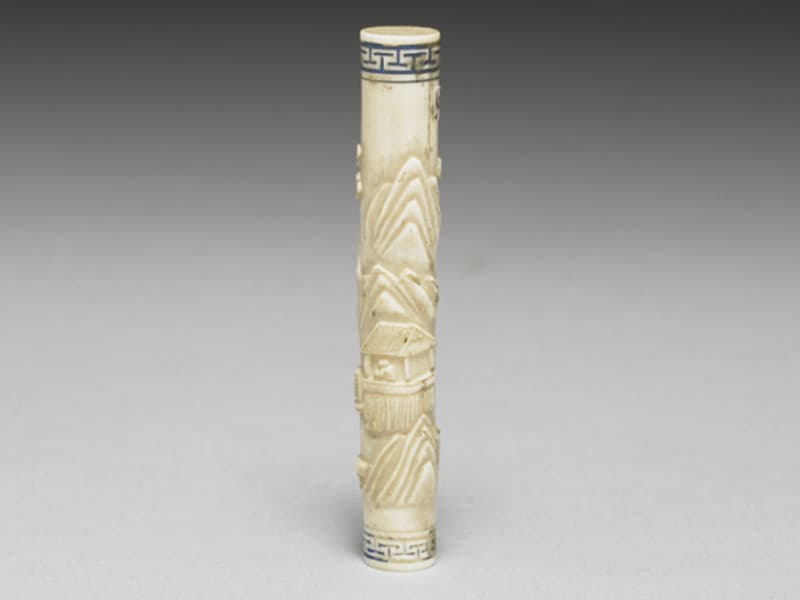
Episode 197: Appraising Artwork (18)
This episode will discuss the writing brush among the Four Treasures of the Study (paper, brush, ink, and inkstone). In the previous episode, we mentioned the close relationship between paper and brush. Chinese brushes are made of woven animal hair, which is quite rare compared to other countries. The earliest discovered brushes were found in…
-
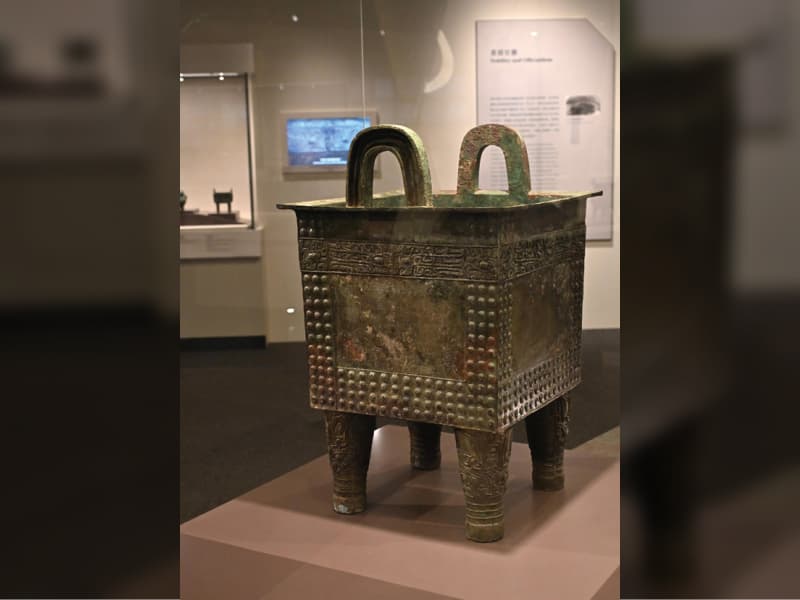
Episode 196: Appraising Artwork (17)
Paper is a crucial method of authentication. Currently, the prices of Chinese paintings and calligraphy are approaching those of Western artworks. As the saying goes, where there are great rewards, there will be brave men. Over the past 20 years, many talents have emerged among art students in China. If these individuals try to imitate…
-
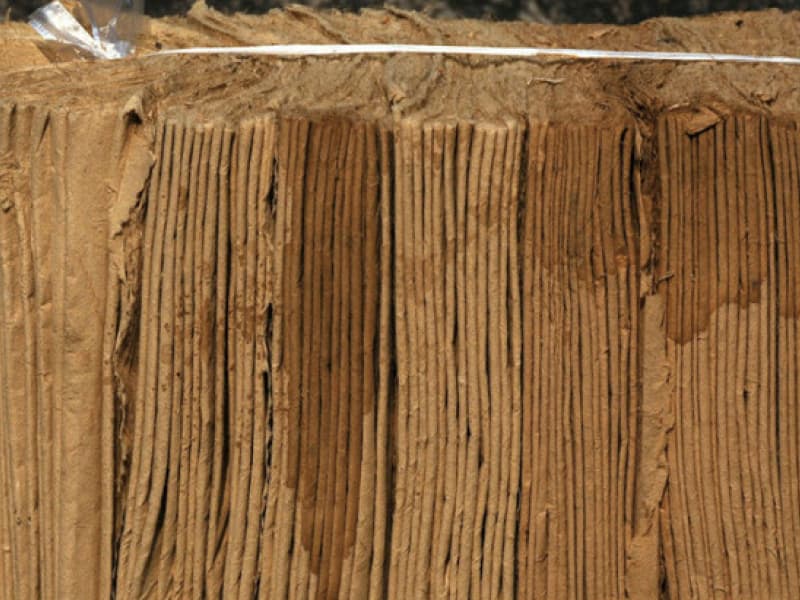
Episode 195: Appraising Artwork (16)
This session will talk about the materials used for painting, including silk fabrics and paper. Murals are equally important. Most of the paintings in the Tang Dynasty and before were destroyed in palaces or temples, so many of them were moved to Dunhuang to paint murals to prevent them from being burned. At that time,…