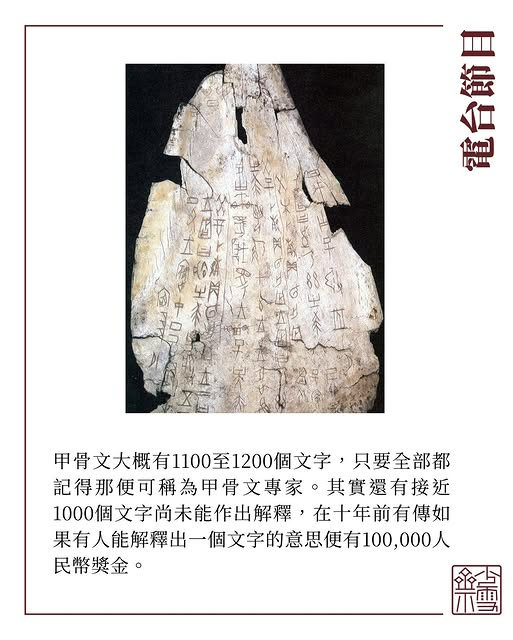
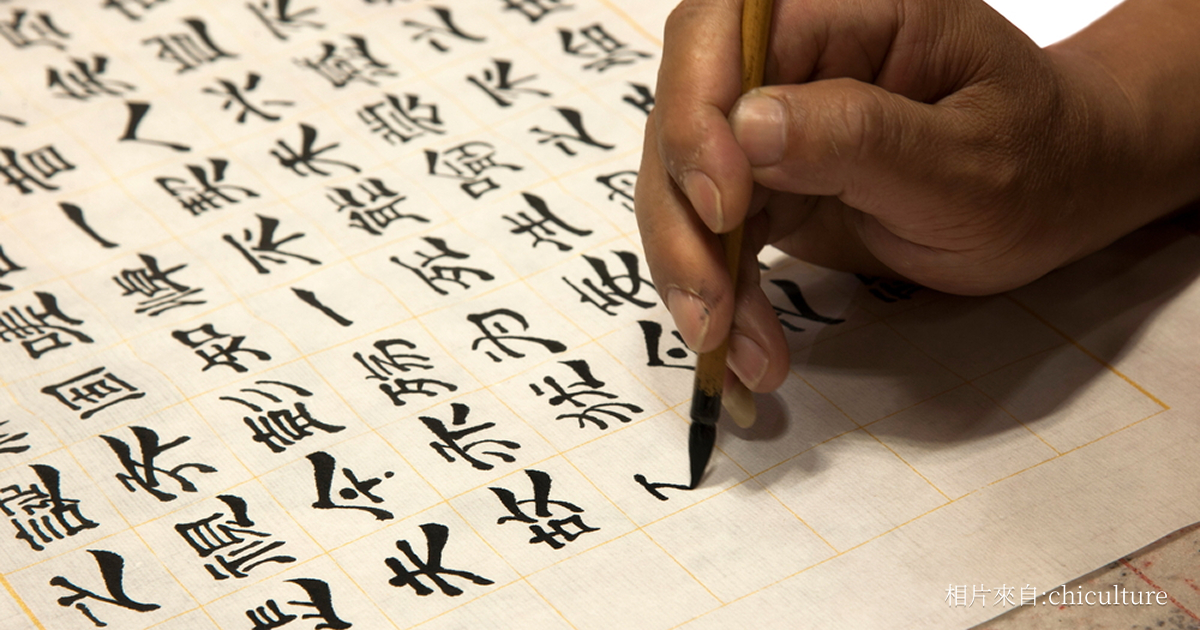

In this episode, we will explain Chinese calligraphy, starting with the history of the characters. In fact, calligraphy is an extension of philology and must have evolved from Chinese characters. The two Western paintings mentioned in the previous episode may resemble calligraphy, but they do not actually contain any English letters. However, Chinese calligraphic art never lacks Chinese characters. Due to the significant limitations of Western writing, which consists of only 26 letters, even the most impressive calligraphic paintings see their artistic value greatly diminished. Thus, Chinese calligraphic art transcends the constraints of alphabetic systems. The foundation of Chinese calligraphic art lies in Chinese characters, which also hold a significant place in culture. Characters initially evolved from symbols, with ancient depictions discovered as cave paintings etched onto walls. During China’s pottery age, many symbols were already inscribed on pottery, such as a circle with a horizontal line beneath it representing the sun. However, the true formation of Chinese characters began with oracle bone script.
Oracle bone script plays a crucial role in ancient writing systems, emerging during the Shang and Zhou dynasties. It primarily involved carving nearly formed symbolic characters onto bones. As is well known, the authority of ancient Chinese emperors was paramount, equivalent to that of religious popes in the West. In Catholicism or Christianity, their authority derives from God or the Lord. However, China did not have a human figure wielding control; instead, authority was entrusted to nature or heaven.