This episode continues exploring the principles of art through Huang Binhong’s paintings. As mentioned last time, his brushwork techniques exemplify traditional Chinese ethnic painting characteristics. Western painting uses watercolors rather than ink. Just manipulating tones through light and dark wetness can create many layered color effects. Chinese brushes also come in various categories. These tools are particularly crucial in Chinese painting. This reveals what makes Chinese painting so captivating lies in the ink and brush.
Good brushes and ink achieve both profundity and moisture. Generally speaking, profundity comes from damp ink while moisture comes from rich ink tones. Profundity means brush force while moisture means ink essence – therefore ink and brush represent both strength and gentleness.
There are six principles of painting, with “spirit resonance” being most important. It represents the fundamental Chinese aesthetic view of “qi” or vital energy in the universe. Properly used brush and ink can spiritually elevate one. According to Huang Binhong, there are seven ink techniques: thick ink, thin ink, broken ink, soaked ink, splashed ink, burned ink, and aged ink. Thick ink has less water mixture for deeper tones. Thin ink has more water for lighter tones. Broken ink builds new tones through layering different water content and ink colors before full drying. Soaked ink applies light to dark overlaying for distinct layered effects. Aged ink, used singly or daily/weekly later, acts like “lighting the dragon’s pupils” for highlights.
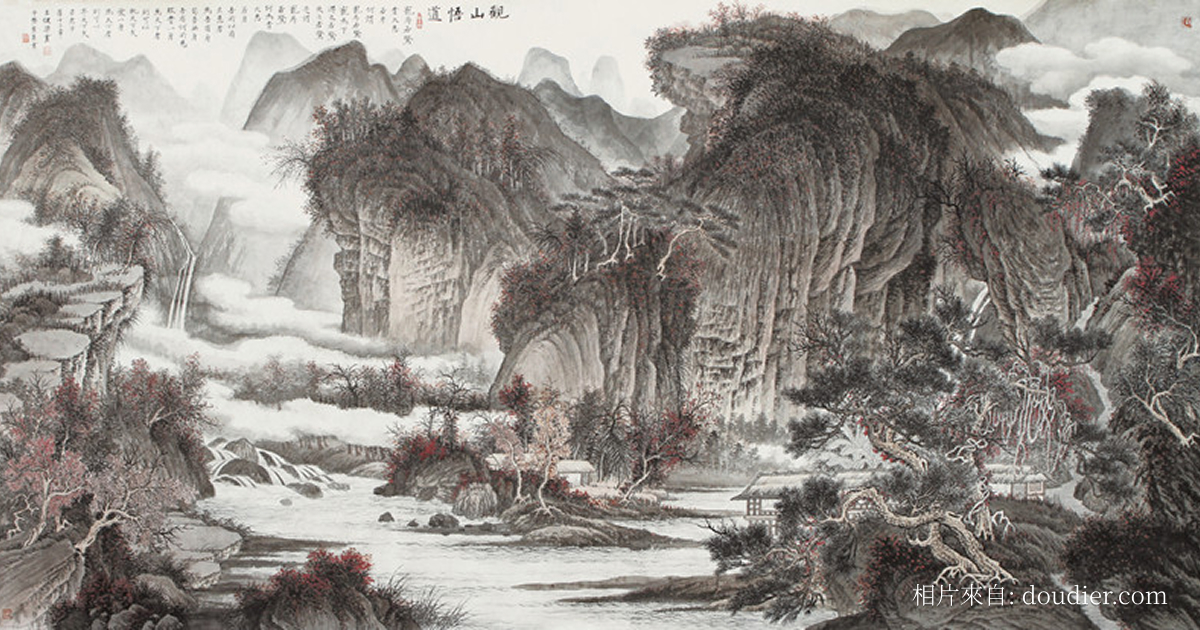
Episode 212: Huang Binhong’s Works (9)
This episode continues exploring the principles of art through Huang Binhong’s paintings. As mentioned last time, his brushwork techniques exemplify traditional Chinese ethnic painting characteristics. Western painting uses watercolors rather than ink. Just manipulating tones through light and dark wetness can create many layered color effects. Chinese brushes also come in various categories. These tools…
分享文章: