
In the previous episode, we discussed how Raphael’s The Disputation of the Sacrament achieves remarkable balance between its left and right sides. Similarly, Fan Kuan’s Travelers Among Mountains and Streams also exhibits fundamental symmetry. Yet unlike Raphael’s work—designed for a church setting where architectural symmetry is paramount—Fan Kuan’s piece is a landscape painting. Architectural structures, especially churches, demand solemnity; symmetry here signifies certainty, unwavering faith, and gravity. As a landscape, Travelers Among Mountains and Streams carries no such solemn obligation and thus avoids rigid symmetry.
Both paintings employ layered composition. Raphael uses white clouds to separate heaven from earth, while the earthly realm further divides into past and present figures standing upon an altar. Fan Kuan’s work structures depth in three tiers: distant mountains in the background, mist-shrouded mid-ground, and a river dividing the foreground where viewers stand. Though created half a century apart, both masterpieces share this compositional ingenuity.
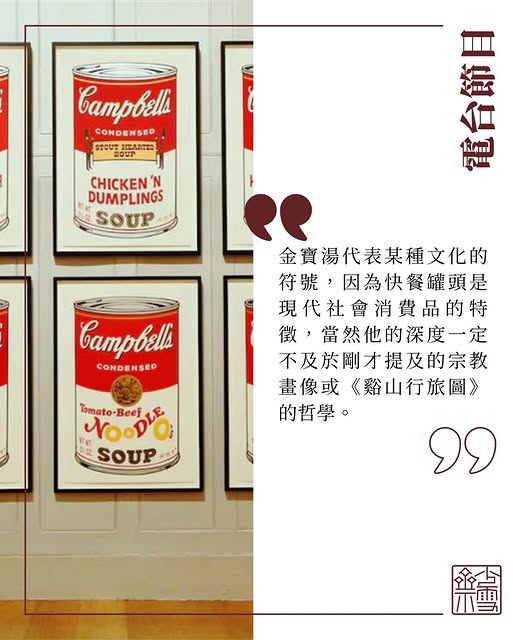
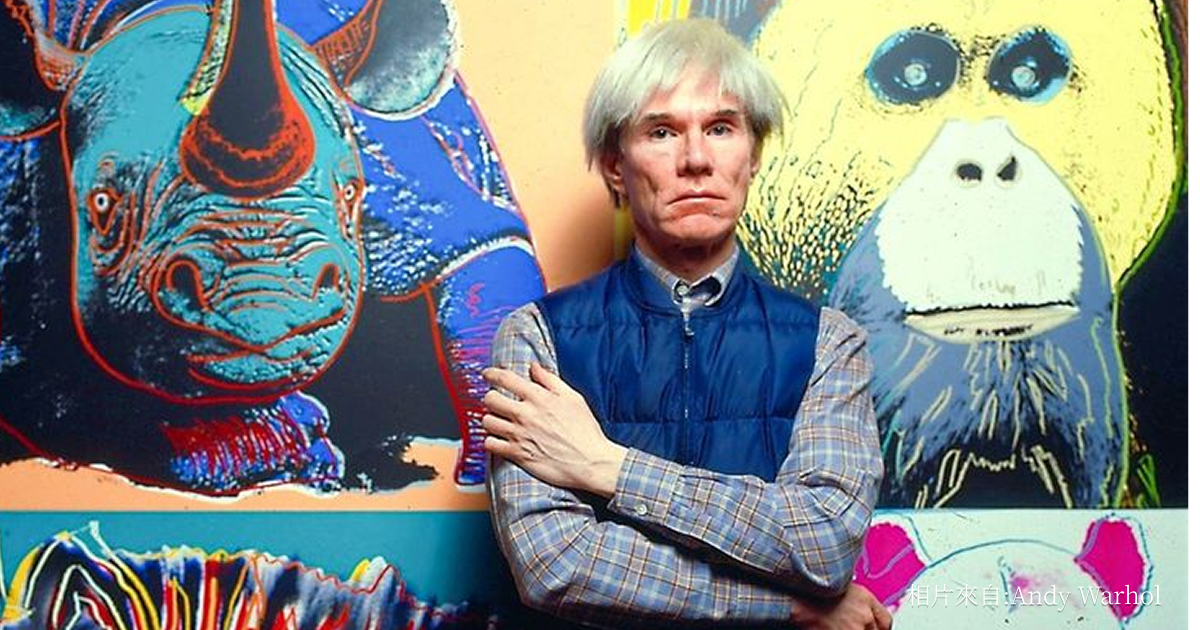
Earlier, we mentioned Andy Warhol’s Campbell’s Soup Cans—a meticulously crafted work. The soup cans symbolize modern consumer culture, yet their depth falls short compared to the religious gravity of Raphael’s work or the philosophical resonance of Fan Kuan’s landscape.