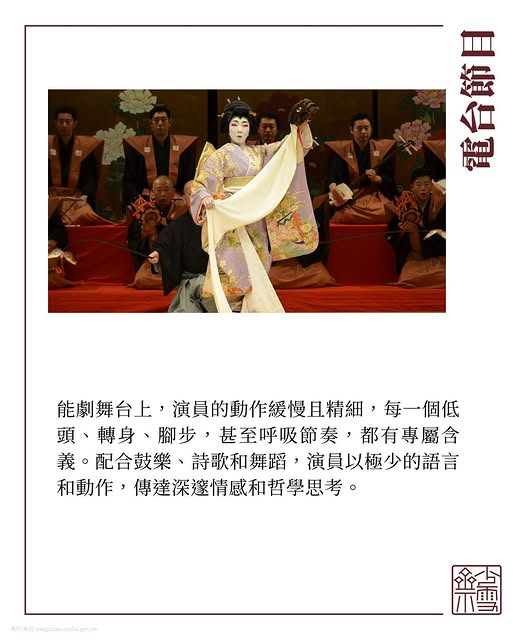

日本傳統藝能的世界 (“The world of traditional Japanese performing arts”) has a history of hundreds of years and a rich cultural heritage, continuously bringing modern people unique sensory experiences and spiritual insights. This episode of 《談文說藝》 (“Talks on Literature and Arts”) focuses on Japanese Noh theater (能劇, Noh), leading listeners through in-depth explanations and multiple perspectives to understand the aesthetics, performance techniques, and spiritual connotations of Noh, extending to connections between modern technology and human emotions, demonstrating the profound charm of ancient and modern fusion.
The art on the Noh stage—the soul of the masks
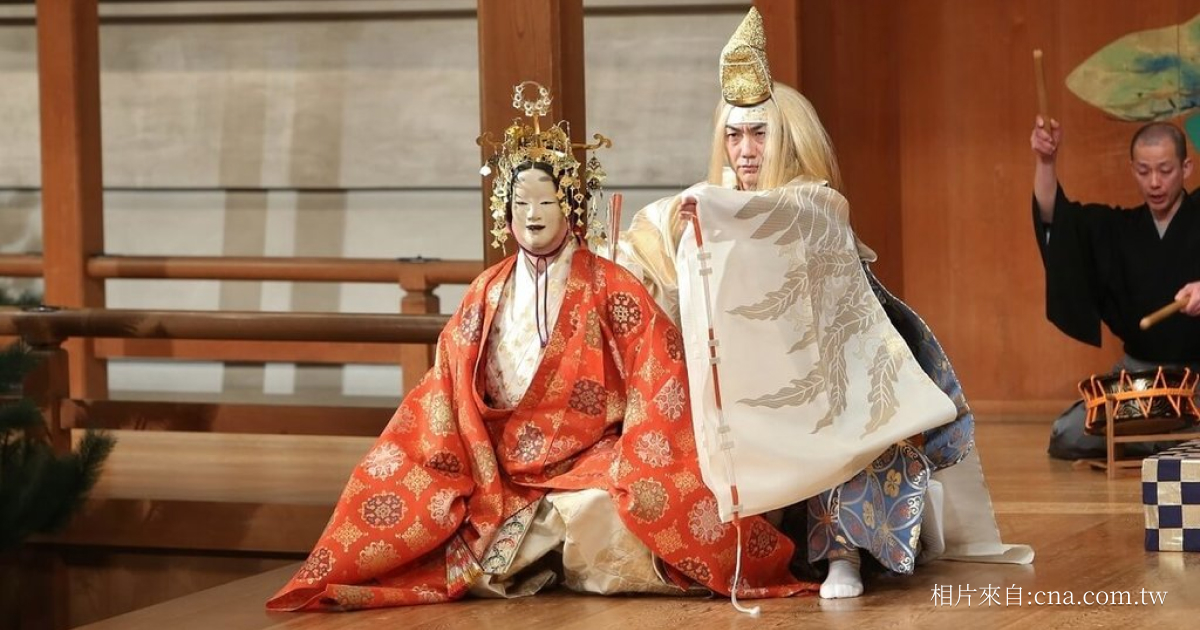
In 能劇 (Noh) performances, masks are not only artistic creations but the core of character souls and emotional transmission. After donning a Noh mask (能面), the actor’s facial expression becomes almost rigid, unable to convey emotions by appearance; all joy, anger, sorrow, and pleasure are expressed through body language and subtle movements. The mask’s design is exquisite, and slight changes in angle or lighting can reveal completely different emotional states. Therefore, actors must possess extraordinarily high bodily control and perception, allowing the audience to perceive intense and profound inner worlds from simple gestures. The program describes, “Even the best actors cannot express killing intent with their eyes, but as long as the body is coordinated, the audience can still feel deep emotions.” This highly abstract and minimalist performance style is one of the keys to Noh’s emotional impact.